German-born Conductor, Pianist, and Composer Bruno Walter Born in 1876
Walter is widely regarded as one of the preeminent conductors of the 20th centu
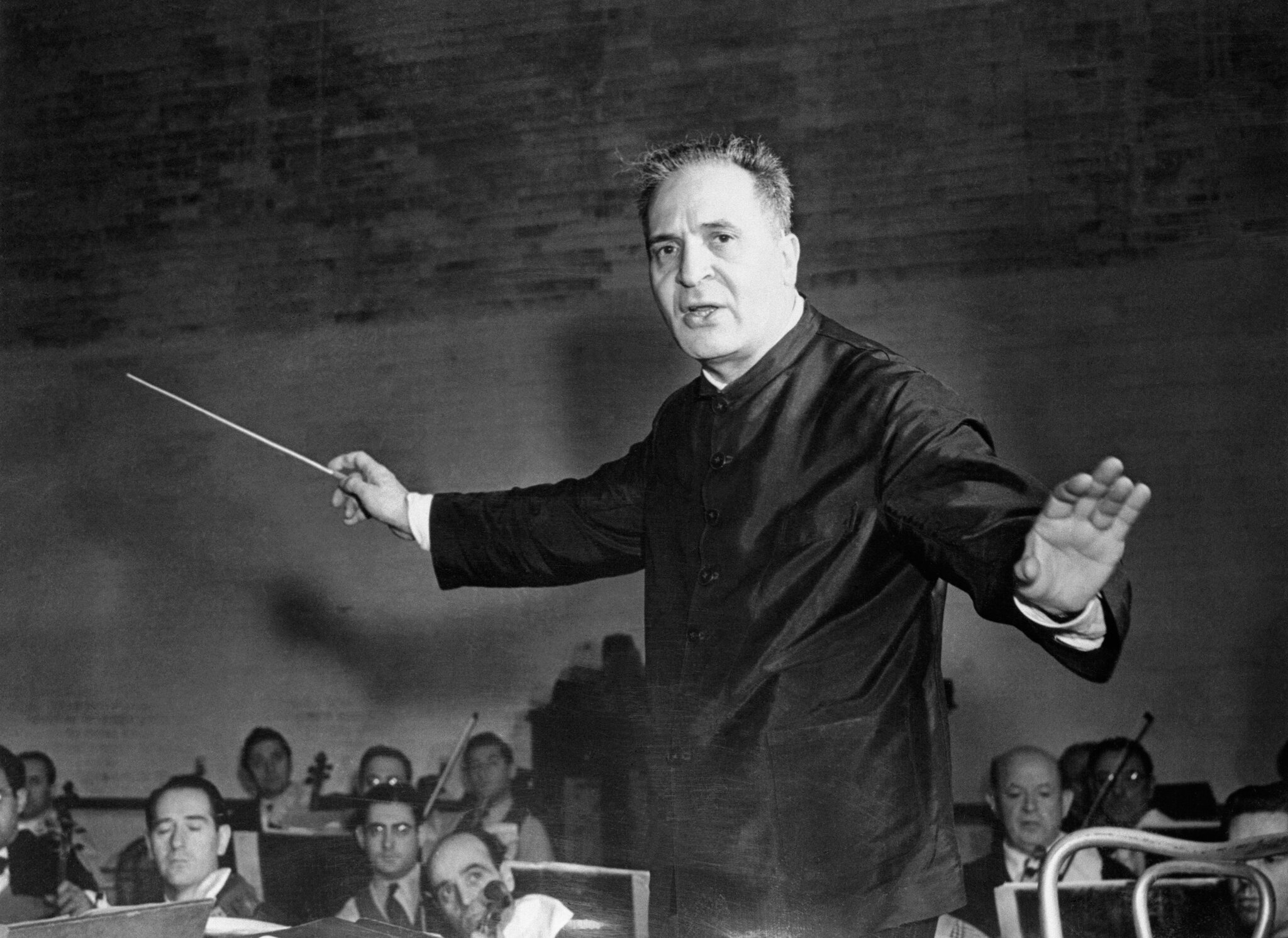
German conductor, pianist, and composer Bruno Walter was born on this day in 1876.
Fleeing Nazi Germany in 1933, he sought refuge in France and became a naturalized citizen in 1938, before ultimately settling in the United States in 1939.
Walter's association with Gustav Mahler was profound; he played a pivotal role in establishing Mahler's music in the classical repertoire.
Throughout his illustrious career, Walter held prominent positions with esteemed orchestras and opera houses including the Leipzig Gewandhaus Orchestra, New York Philharmonic, Concertgebouw Orchestra, Salzburg Festival, Vienna State Opera, Bavarian State Opera, Staatsoper Unter den Linden, and Deutsche Oper Berlin, among others.
He is renowned for his recordings that hold both historical and artistic significance.
MAHLER | SYMPHONY NO. 4 | BRUNO WALTER & THE CONCERTGEBOUW ORCHESTRA





BBC Symphony and Chorus to Premiere New Work "Requiem for America"

French Clarinetist and Jazz Pioneer Michel Portal has Died, Aged 90


Violinist Martin Chalifour Launches Residency at Sierra Madre Playhouse